Last Updated on 4 months ago by ackleyadam
Key Takeaways
- Bail in Erie County functions as a financial guarantee so defendants return for scheduled court appearances.
- Selecting between Release on Recognizance (ROR) and monetary bail depends on judicial assessment and individual cases.
- Always double-check the authenticity of any bail-related requests to avoid falling victim to scams.
Understanding how bail works in Erie County is vital for families facing the stress of an arrest. The legal system can be daunting, and having clear information about the bail process helps you take confident steps. Whether you are assisting a loved one or want to be prepared, knowing the facts saves time, money, and worry.
For those seeking prompt release and expert assistance within Erie County and its surrounding communities, Erie County Bail Bonds with Liberty Bail Bonds Inc is a trusted solution. Liberty Bail Bonds Inc specializes in helping people post bail quickly and legally, offering decades of expertise throughout Erie County and neighboring regions.
Their locally focused approach and dedication to transparency have made them a recognized authority in the bail industry, making them a top choice for families in urgent need of guidance and support.
This comprehensive guide brings together key facts, practical steps, warning signs of potential scams, and the best legal resources available to you. Below, you will find a breakdown of the Erie County bail system, from understanding bail conditions to posting bail and securing reliable help when needed.
Understanding Bail
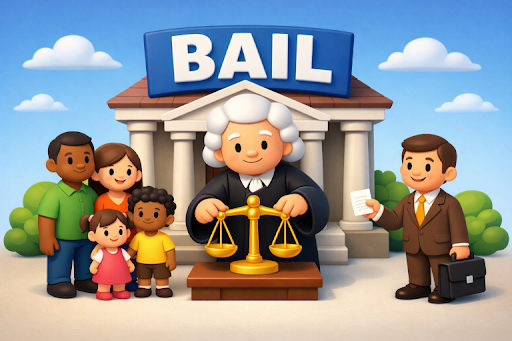
Bail is an official agreement under which a defendant may be temporarily released from jail, provided certain conditions are met. In Erie County, a judge reviews each case to set bail terms, taking into account the seriousness of the charge, prior criminal history, and the defendant’s ties to the area.
The core goal of bail is to ensure that the accused returns to court as required. If the person fails to appear, the bail may be forfeited, and further legal action can follow. Typically, after someone is charged with a crime, they are brought before a judge for a bail hearing.
This is where the initial bail amount or conditions are set. It is important to understand that bail is not a fine or a punishment but a guarantee of the defendant’s promise to return to court.
Bail Options in Erie County
Erie County courts offer two primary forms of bail release. The most lenient is Release on Recognizance (ROR), which applies when the judge believes a defendant can be trusted to return to court without needing to pay money up front.
This is determined by factors such as the defendant’s employment status, residence, and family support in the local area. The more common option is monetary bail. The judge sets a specific cash amount that must be paid to secure release.
Often, the court will accept a percentage of the total amount as a deposit. Depending on the circumstances, payment may be made directly at the courthouse, through the Erie County Sheriff’s Office, or via an approved third party.
Posting Bail
When it comes time actually to post bail, it is important to act quickly and accurately. The first step is confirming the bail amount set by the judge. You can do this either through the courthouse or the Erie County Sheriff’s automated system at (716) 858-7636. Once you know the amount, choose your payment method. Erie County allows cash, certified checks, or working with a reputable bail bond agency.
Paperwork must be completed with precision. Errors can delay release, so double-check all forms. Before posting bail, contact the relevant law enforcement agency to ensure the person in custody does not have other warrants or detainers that could complicate or prevent release. After all requirements are met and payment is processed, the defendant is released pending future hearings.
Bail Scam Awareness
Unfortunately, bail-related scam activity is a growing issue nationwide. Erie County residents are encouraged to stay alert, as fraudsters often pose as lawyers, court officials, or even police officers demanding cash payments or wire transfers for bail.
If you receive such a call or message, verify the caller’s identity independently by contacting your attorney or local authorities. Never agree to meet strangers or hand over money outside official locations.
Role of Bail Bond Agencies
When a cash bail is too high to pay in full, families often turn to licensed bail bond agencies for help. Bail agencies typically charge a fee of 10 to 15 percent of the total bail amount and may require collateral as additional assurance against the risk.
In Erie County, using a respected agency with deep local experience, like Liberty Bail Bonds Inc, ensures the bail process is handled lawfully, discreetly, and with clear communication. Before committing, always review contract terms and confirm the agency’s license with state regulators.
Legal Resources and Support
Solid legal guidance is essential to navigating the criminal justice system. In Erie County, families may turn to the Legal Aid Bureau of Buffalo for advice and representation.
This organization offers general information, help with paperwork, and even courtroom support for those who qualify. In addition to public defenders and the Legal Aid Bureau, the Erie County District Attorney’s Office offers valuable resources through informational sessions, literature, and staff consultations.
Conclusion
Successfully navigating bail in Erie County requires being aware of your options, taking steps to protect yourself from scams, and relying on credible resources and agencies. With transparent information and trusted assistance, you can navigate the bail process confidently and protect your loved ones’ well-being.
Actively reaching out to local experts and legal advocates ensures that every step you take is informed and effective, leading to the best possible outcomes during a challenging time.