Last Updated on 3 months ago by ackleyadam
Ensuring the longevity and health of our pets is a top priority for pet owners. One of the most effective strategies to achieve this is through preventive veterinary care. This approach focuses on regular check-ups, vaccinations, and early detection of potential health issues, significantly enhancing the quality and length of a pet’s life.
For residents in the Houston area, Longenbaugh Veterinary Hospital, a trusted NW Houston animal clinic, offers comprehensive preventive care services tailored to each pet’s unique needs.
With over 35 years of dedicated service in the Houston, Cypress, and Copperfield areas, Dr. Martin Keadle and his team are committed to providing exceptional medical care and educating pet owners on maintaining their pets’ health.
Understanding Preventive Veterinary Care
Preventive veterinary care encompasses routine medical services aimed at maintaining a pet’s health before illnesses become severe. These services include:
- Annual wellness exams
- Vaccinations
- Parasite prevention
- Dental evaluations
- Nutritional counseling
- Weight management
- Senior pet screenings
By proactively addressing health concerns, veterinarians can detect and treat issues early, leading to better outcomes and a higher quality of life for pets.
The Role of Regular Wellness Exams
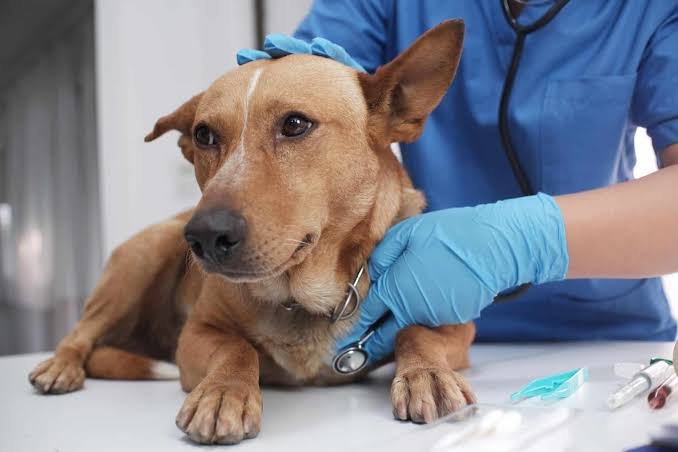
Routine wellness exams are crucial in preventive care. During these visits, veterinarians assess various aspects of a pet’s health, including weight, dental condition, joint mobility, and organ function. Early detection of subtle changes can prevent the progression of diseases, ensuring pets remain healthy and active.
These exams also provide an excellent opportunity for pet owners to discuss any behavioral changes, lifestyle adjustments, or environmental factors that may influence their pet’s health. Veterinarians may offer guidance on everything from exercise routines to training tips to stress-reduction strategies for anxious pets.
Maintaining an open dialog with your veterinarian through regular wellness visits ensures you have access to the latest best practices for pet health management, tailored to your animal’s specific needs.
Importance of Vaccinations
Vaccinations protect pets from various contagious and potentially fatal diseases. Core vaccines for dogs may include protection against rabies, distemper, parvovirus, and adenovirus. For cats, core vaccines often cover rabies, feline viral rhinotracheitis, calicivirus, and panleukopenia. Keeping vaccinations up to date is essential in preventing outbreaks and maintaining public health.
In addition to core vaccines, some pets may require non-core vaccinations based on lifestyle and risk factors. For instance, dogs that frequently visit dog parks or boarding facilities might benefit from vaccines against Bordetella (kennel cough) or canine influenza.
Cats that spend time outdoors may require protection from the feline leukemia virus. Consulting your veterinarian will help determine the most appropriate vaccination protocol for your pet, taking into account their exposure risk and overall health profile.
Parasite Prevention Strategies
Parasites such as fleas, ticks, and heartworms pose significant health risks to pets. Implementing regular parasite prevention measures helps protect pets from infections, discomfort, and more severe health issues. Preventive medications and routine screenings are vital components of a comprehensive health plan.
Beyond medications, maintaining a clean living environment is important for preventing parasites. Regularly washing bedding, vacuuming carpets, and keeping outdoor areas tidy can reduce the likelihood of infestations.
Additionally, pet owners should remain vigilant and check for signs of parasites, such as itching or unusual behavior, especially after walks or outdoor play sessions. Early intervention often prevents more complex health problems from developing down the road.
Early Detection Through Diagnostic Screenings
Regular diagnostic screenings, including blood tests and urinalysis, can reveal underlying health problems before symptoms appear. Early detection of conditions such as diabetes, kidney disease, and thyroid disorders enables timely intervention, improving treatment outcomes and enhancing the pet’s quality of life.
Advanced diagnostic tools, such as X-rays, ultrasound, and specialized blood panels, can help identify organ dysfunction, tumors, or metabolic disorders at their earliest stages. Veterinarians may recommend more frequent screenings for senior pets or those with a predisposition to certain genetic conditions.
By establishing a baseline of your pet’s health through annual screenings, you can track changes over time and implement prompt, effective treatment strategies should abnormalities arise.
Dental Health and Overall Wellness
Dental health is often overlooked but is integral to a pet’s overall well-being. Periodontal disease can lead to systemic infections affecting vital organs. Regular dental check-ups and cleanings prevent such complications, contributing to a longer, healthier life for pets.
In addition to professional cleanings, pet owners can play a proactive role by establishing a regular at-home dental care routine. Brushing your pet’s teeth, offering dental chews, and choosing diets formulated for oral health all contribute to cleaner mouths and fresher breath.
Early signs of dental disease include bad breath, red gums, and difficulty eating; promptly alerting your veterinarian to these signs can minimize discomfort and prevent more serious health issues.
Nutrition and Weight Management
Maintaining a healthy weight through proper nutrition and regular exercise is essential in preventing obesity-related health issues. Veterinarians can provide personalized dietary recommendations to support optimal health and reduce the risk of conditions such as diabetes and arthritis.
Establishing good nutritional habits early on is key to supporting your pet’s lifelong health. Portion control, high-quality ingredients, and balanced nutrient profiles can help maintain muscle mass, support immune function, and maintain consistent energy levels. Activity levels should be matched to your pet’s age, breed, and current health status. Engaging pets in regular play, walks, or interactive toys can keep them physically and mentally stimulated, reducing the risk of obesity or under-stimulation.
Sometimes, pets may have special dietary requirements based on pre-existing conditions or allergies. Regular veterinary consultations can help adapt your pet’s diet to address these unique needs, ensuring they receive the right nutrition without exacerbating health concerns.
Client Education and Partnership
An essential component of preventive veterinary care is educating pet owners about home care, potential warning signs, and the importance of consistent preventive measures.
Veterinary professionals go beyond clinical treatment by taking the time to explain diagnoses, outline treatment plans, and provide step-by-step guidance for at-home care and monitoring. This collaborative approach empowers pet owners to take an active role in their pets’ health decisions, fostering a strong partnership between the veterinary team and the family.
Well-informed pet owners are better equipped to recognize subtle changes in behavior, appetite, or energy levels that could indicate a developing health issue. By maintaining regular communication with their veterinarian and acting promptly when concerns arise, many health problems can be addressed before they become more advanced or difficult to manage.
Conclusion
Preventive veterinary care is a cornerstone in ensuring pets lead long, healthy lives. By prioritizing regular check-ups, vaccinations, parasite control, and proper nutrition, pet owners can significantly enhance their pets’ well-being.
For those seeking comprehensive preventive care services, Longenbaugh Veterinary Hospital, a trusted NW Houston animal clinic, offers a range of services tailored to each pet’s unique needs, ensuring they receive the best possible care throughout their lives.
Taking the initiative to invest in preventive veterinary care not only improves the health and longevity of pets but also provides families with peace of mind, knowing they are doing all they can to safeguard their beloved companions.
With the right guidance from experienced and compassionate veterinary professionals, such as those at Longenbaugh Veterinary Hospital, pet owners can look forward to many joyful, healthy years with their furry friends.