Last Updated on 7 months ago by ackleyadam
Water damage is a persistent threat that can undermine foundations and destroy expensive landscaping investments silently over time. Many property owners realize too late that their current setup is insufficient to handle heavy storms or constant runoff from neighboring lots. Investing in a professional solution requires careful planning and a clear understanding of the specific hydraulic challenges present on the land. Residents seeking expertise in landscape drainage in Johns Creek must ask targeted questions to ensure the proposed system offers permanent relief. A thorough consultation reveals the true scope of the issue and the most appropriate engineering strategy.
Understanding Water Flow Patterns
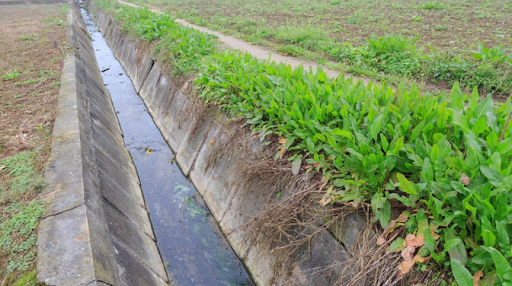
The first question concerns the origin of the excess water and its natural path across the yard. Homeowners should inquire how the topographical survey determines the exact placement of catch basins and piping. Professionals analyze the grade of the land to identify low points that act as collection zones for runoff during heavy precipitation events. This analysis ensures that the new system captures water at the source rather than merely treating the symptoms. Understanding these dynamics prevents future pooling and ensures that the discharge is directed to a safe location away from the structure.
Selecting the Right System Configuration
Different drainage problems require distinct mechanical solutions to manage water velocity and volume effectively. It is crucial to ask the contractor about the specific components they recommend and why those choices suit your particular soil type. For example, understanding how to choose between French and Trench Drains helps clarify why one might be superior for managing surface runoff, while the other excels at handling subsurface saturation. This technical distinction ensures that the installed infrastructure is engineered to handle the specific load requirements of the property, preventing system overload during peak storms.
Verifying Experience and Warranties
Homeowners must ask about the track record of the company in dealing with similar erosion and drainage challenges. Inquiring about warranties provides insight into the confidence the installer has in their workmanship and materials. A reputable professional stands behind their work, offering guarantees that cover potential failures or settling issues. This assurance is essential for protecting the significant financial investment made in the property. It confirms that the team utilizes industry-standard practices such as using correct aggregate backfill and high-quality filter fabrics to prevent silt infiltration, which is a common cause of system failure.
Assessing Long-Term Maintenance Requirements
Even the most robust systems require some level of care to function optimally year after year. It is important to ask what maintenance tasks will be necessary to keep the pipes clear and flowing freely. Professionals should explain the accessibility of cleanouts and the frequency of inspections needed to detect potential blockages. Understanding these obligations upfront allows property owners to budget for future care or arrange for service contracts. This proactive dialogue ensures that the system remains a reliable defense against water intrusion rather than becoming a clogged liability.
Conclusion
Asking the right questions before breaking ground is the key to a successful drainage project that protects the home and garden. By investigating the specific engineering choices and confirming the qualifications of the installation team, property owners can proceed with confidence. A well-designed system manages water effectively, preserving the integrity of the foundation and the beauty of the landscape. Relying on professional guidance ensures that the solution is not just a temporary fix but a permanent improvement to the property infrastructure.