Last Updated on 1 month ago by ackleyadam
Traditional South Indian snack culture reflects centuries of culinary wisdom rooted in regional ingredients and daily rituals. These snacks are deeply connected to local lifestyles, festivals, and social gatherings. Many people exploring traditional South Indian snacks in Chicago are drawn to the balance of flavor, texture, and nourishment these foods provide. Prepared with lentils, rice, spices, and fermented batters, these snacks are designed to be both satisfying and easy to digest. Their enduring popularity lies in how they combine simplicity with thoughtful preparation. This culinary tradition continues to thrive through professional kitchens that honor authenticity and consistency.
Cultural Significance of South Indian Snacks
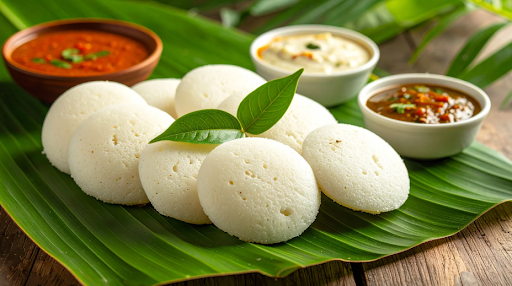
South Indian snacks are not merely food items but expressions of cultural identity and routine. They are commonly enjoyed during morning hours, evening gatherings, and religious occasions. Items such as steamed savory cakes, crispy lentil fritters, and soft rice-based preparations reflect regional preferences and climate considerations. These snacks evolved to complement daily schedules, providing energy without heaviness. Each region contributes its own variations, shaped by local produce and culinary customs. Coastal areas emphasize rice, coconut, and lentils, while inland regions incorporate millets and aromatic spices. This diversity ensures that snack culture remains dynamic while preserving its core principles of balance and flavor.
Ingredients and Preparation Philosophy
The foundation of South Indian snacks lies in carefully chosen ingredients. Rice, lentils, spices, and fermented elements form the backbone of many preparations. Fermentation enhances flavor and texture while also supporting digestibility. This process requires precision timing and experience, which professional kitchens are well-equipped to manage. Rather than relying on shortcuts, professional preparation focuses on maintaining consistency and authenticity. Skilled cooks understand how ingredient ratios, fermentation duration, and cooking techniques affect the final outcome. This attention to detail ensures that snacks retain their traditional taste profiles while meeting modern expectations of quality.
Variety Within a Unified Tradition
Despite shared ingredients, South Indian snacks offer a remarkable variety. Textures range from soft and airy to crisp and hearty. Flavors span mild savory notes to bold spice blends balanced with tangy elements. This range allows snacks to appeal to different preferences without deviating from traditional methods. Professional kitchens curate menus that showcase this diversity while maintaining coherence. By rotating offerings and highlighting regional specialties, they keep the experience engaging. This approach allows diners to explore different tastes while remaining rooted in a familiar culinary tradition.
The Role of Professional Culinary Spaces
Traditional snacks require expertise that goes beyond basic cooking. Temperature control, fermentation management, and spice balancing are critical to achieving authentic results. Professional culinary spaces provide the infrastructure and skilled staff needed to uphold these standards consistently. These environments also preserve food safety and quality through regulated processes. Clean preparation areas, trained personnel, and standardized methods ensure that traditional snacks are delivered reliably. This professionalism helps sustain cultural heritage while adapting to contemporary dining contexts.
Modern Appreciation and Continuity
As interest in regional cuisines grows, traditional South Indian snacks continue to gain appreciation beyond their place of origin. Their appeal lies in how they combine heritage with versatility. Professional kitchens play a vital role in presenting these snacks in a way that respects tradition while appealing to diverse audiences. This continuity ensures that snack culture remains relevant without losing authenticity. By focusing on quality preparation and cultural understanding, these establishments help keep culinary traditions alive for future generations.
Conclusion
Traditional South Indian snack culture represents a rich blend of history, flavor, and craftsmanship. Rooted in regional ingredients and time-honored techniques, these snacks offer variety without losing their identity. Through professional preparation and thoughtful presentation, this culinary tradition continues to thrive across communities. Its enduring appeal lies in its ability to provide comfort, nourishment, and cultural connection through every bite.