Last Updated on 2 months ago by admin
Arched windows are architectural statements. They introduce softness into rigid rooms, hint at history even in new builds, and instantly draw the eye upward. Yet they’re also among the most misunderstood windows when it comes to dressing them. Many homeowners either hide the arch entirely or leave the window untreated out of fear of “ruining” the shape.
Designers take a different approach. They treat arched windows as architecture first and glazing second. The window treatment is chosen to either celebrate the curve or quietly step back, never to compete with it. When handled with intention, arched windows become one of the most elegant features in the home.
Understand the Role of the Arch in the Room
Before selecting any window treatment, designers assess what the arch contributes to the space. In formal rooms, period homes, maximalist homes, or areas where the window is a focal point, the arch often defines the room’s character. In these cases, preserving visibility of the curve is essential.
In more functional spaces, such as bedrooms or street-facing rooms, privacy and light control may outweigh architectural display. Here, designers are comfortable simplifying the window visually, as long as the solution feels deliberate rather than accidental. Knowing which role the arch plays prevents compromises later.
Decide Whether the Arch Should Stay Visible
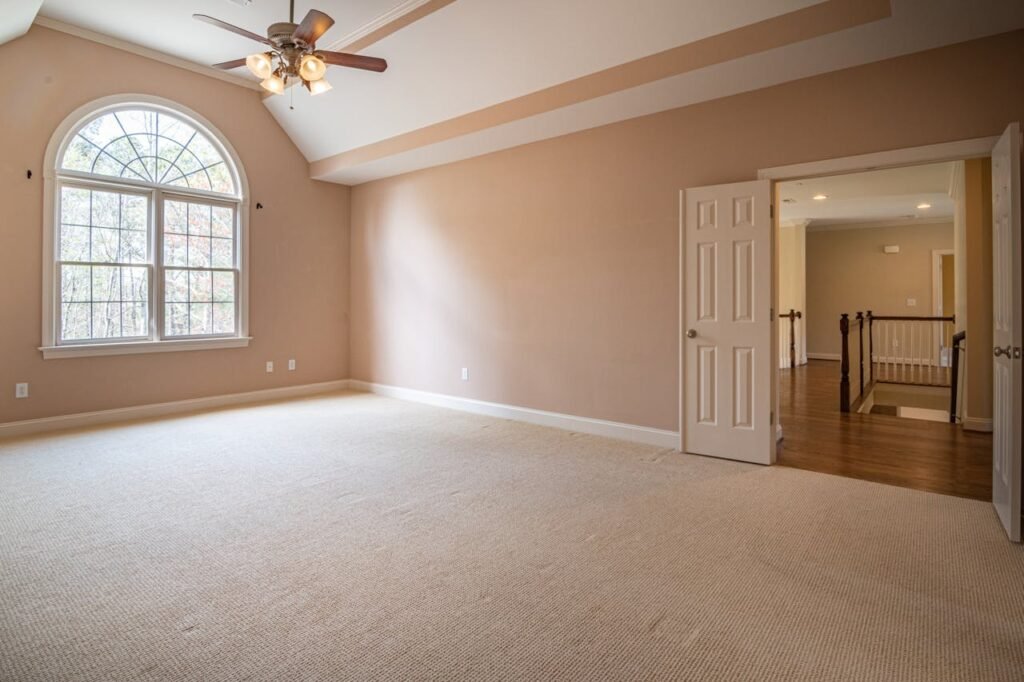
One of the most important decisions is whether the arched portion remains uncovered. Leaving the arch visible keeps the architecture intact and allows natural light to flood the upper part of the room. This is a popular designer choice in living rooms, stairwells, and dining spaces.
When privacy is a concern, the lower rectangular portion can be treated separately with roman shades or curtains. This layered approach allows for function where it’s needed without sacrificing the elegance of the curve.
Use Custom Arched Shades for Seamless Functionality
When full coverage is required, custom arched shades offer the cleanest and most integrated solution. These are designed to follow the curve exactly, maintaining the window’s shape while adding light control and privacy.
Designers often choose light-filtering or softly translucent materials for these shades. Heavy blackout fabrics tend to flatten the arch visually, whereas lighter materials preserve depth and softness even when the shade is in use.
Treat the Arch as Decorative Glass
In many homes, the arched portion functions more like a transom window. Designers frequently leave this section uncovered, treating it as decorative glazing rather than a functional opening.
This approach works especially well when the arch sits high above eye level. Light from above brightens the room and emphasises height, while a separate treatment on the lower section addresses privacy and glare.
Frame Arched Windows with Straight-Hanging Curtains
Curtains are often misunderstood in relation to arched windows. Designers rarely attempt to curve rods along the arch, as this can look forced and visually busy. Instead, they mount straight rods above the highest point of the arch and allow curtains to fall vertically.
This method frames the entire window wall, preserves the arch when the curtains are open, and creates a sense of grandeur when they are closed. It’s particularly effective in rooms with high ceilings or double-height spaces.
Mount Hardware High to Enhance Vertical Drama
Arched windows naturally draw the eye upward, and designers amplify this effect by mounting hardware as high as possible. High placement elongates the wall, makes ceilings feel taller, and prevents the treatment from interrupting the curve.
Whether using custom curtains or roman shades, this vertical emphasis reinforces the architectural intent of the window rather than breaking it into awkward sections.
Choose Fabrics and Colours That Support the Shape
Because arched windows already provide visual interest, designers keep fabrics relatively calm. Busy patterns, sharp contrasts, or heavy textures can overpower the curve and pull attention away from the window’s form.
Soft neutrals, gentle textures, and flowing fabrics complement the arch without competing with it. When colour is introduced, it’s often drawn from surrounding elements to maintain cohesion.
Use Light to Highlight the Curve
Light is one of the greatest assets of an arched window. Designers often choose treatments that allow light to skim across the curve rather than block it outright.
Sheer custom roman shades or curtains, or uncovered arches allow the shape to be read in shadow and highlight, making the window feel sculptural. This is particularly effective in entryways and transitional spaces.
Adapt the Approach by Room Type
Designers tailor arched window treatments to the room’s purpose. In bedrooms, privacy and light control may require more coverage, while living rooms benefit from openness and drama. Bathrooms often call for moisture-resistant treatments that still respect the curve.
Understanding how the room functions ensures the treatment enhances daily life, not just aesthetics.
Avoid Over-Designing the Window
One of the most common mistakes with arched windows is doing too much. Excessive layers, decorative hardware, or mismatched treatments draw attention for the wrong reasons.
Designers favour simplicity here. A restrained approach allows the window itself to remain the focal point, which is almost always the most elegant outcome.
Final Thoughts: Let Architecture Lead the Design
Arched windows don’t need embellishment; they need respect. When window treatments are chosen with the architecture in mind, the result feels effortless and timeless.
Whether you choose to highlight the curve or quietly integrate it into the room, intention is everything. Let the arch lead, and the design will follow.