Last Updated on 3 months ago by ackleyadam
Key Takeaways
- Recycling metals like aluminum and steel conserves a substantial amount of energy compared to producing them from raw materials.
- It helps reduce landfill waste and prevent environmental pollution.
- Recycling supports economic growth by creating jobs and generating revenue.
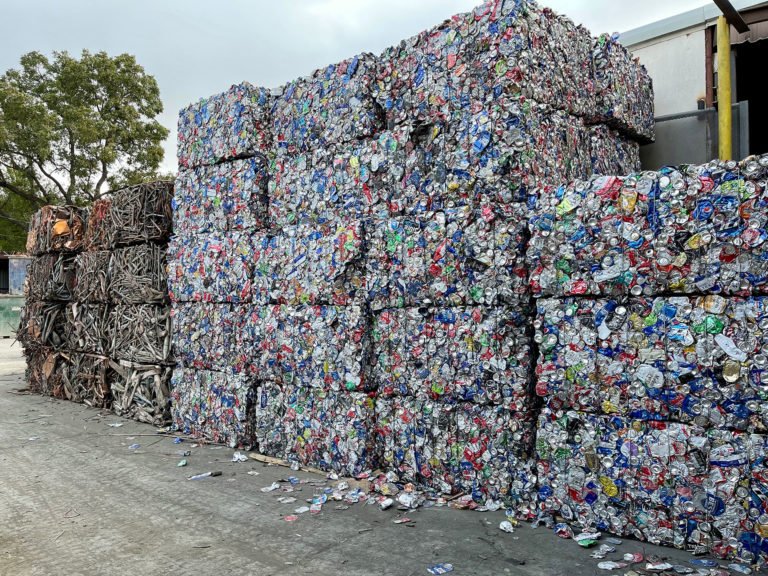
Recycling scrap metal plays a significant role in conserving energy and minimizing the volume of waste sent to landfills. Metals such as steel, aluminum, and copper can be recycled repeatedly without losing their structural integrity, making them highly valuable in a circular economy.
Compared to producing metal from raw ore, recycling requires far less energy, reducing emissions associated with mining, refining, and manufacturing. This process also helps preserve natural resources while lowering the overall environmental footprint of industrial production.
Beyond energy savings, scrap metal recycling supports more efficient waste management by diverting bulky and non-biodegradable materials from disposal sites.
Discarded appliances, vehicles, and construction materials can be processed and reintroduced into supply chains through established recovery systems, including those managed by scrap metal dealers NJ and similar entities operating within broader recycling networks.
These systems contribute to reduced landfill pressure, improved material recovery rates, and a more sustainable approach to managing everyday waste generated by households and industries alike.
Energy Conservation Through Metal Recycling
One of the most compelling arguments for recycling scrap metal is the remarkable energy savings it achieves. Producing metals from recycled materials is far less energy-intensive than mining and refining virgin ores.
For example, recycling aluminum conserves as much as 95% of the energy that would otherwise be needed for primary aluminum production. Similarly, recycling steel saves between 60% and 74% of the energy required to create new steel. According to the U.S.
Environmental Protection Agency, these energy savings reduce fossil fuel consumption and, by extension, significantly cut greenhouse gas emissions, making metal recycling a crucial step in the fight against climate change.
Reducing Landfill Waste
Scrap metal recycling directly addresses the issue of landfill overcapacity. Each year, millions of tons of metal are sent to municipal waste streams. When disposed of in landfills, these metals can contaminate soil and groundwater through leaching.
In 2018, over 70 million tons of scrap metal were recycled in the U.S., diverting significant amounts from landfills and reducing pollution risks. This process has a far-reaching impact: it not only conserves landfill space for other waste but also decreases the costs and complexity of waste management nationwide.
By keeping recyclable metals in use instead of disposing of them, communities can prolong landfill life and promote sustainable material use across various industries.
Economic Benefits of Metal Recycling
The metal recycling industry’s economic impact is significant. In the U.S., it provides over 120,000 jobs and produces nearly $110 billion in annual economic activity. The entire process—collection, processing, and distribution of scrap metal—drives a robust market that serves manufacturers both locally and internationally.
Exporting recycled metals to countries lacking raw materials brings in important revenue and enhances the trade balance. According to the Institute of Scrap Recycling Industries, metal recycling promotes entrepreneurship, creates jobs, and helps stabilize raw material prices.
In addition to direct employment, it supports related fields such as transportation, equipment manufacturing, and logistics. These interconnected sectors strengthen supply chains and contribute to sustainable economic growth and resource management.
Environmental Impact of Metal Recycling
The positive impact of metal recycling goes far beyond energy and landfill savings. The process reduces air pollution by 80% and water pollution by 76% compared to conventional ore extraction and processing. Water consumption is also reduced by 40%, which is critical for environmental stewardship, especially in areas prone to drought.
By recycling scrap metal, communities help conserve natural resources, minimize greenhouse gas emissions, and curtail the ecological disturbance associated with traditional mining activities. These initiatives further align with global sustainability objectives and support biodiversity preservation.
Conclusion
Recycling scrap metal proves to be a simple yet highly effective way to conserve energy, reduce waste, and protect the environment from pollution. The benefits are both local and global, supporting robust economic activity, sustainable development, and the well-being of future generations.
By embracing metal recycling at all levels—from households to large industries—we move closer to a cleaner, more efficient, and sustainable society. The collective impact of choosing to recycle is an investment in a healthier planet and a stronger economy.