Last Updated on 1 month ago by ackleyadam
Mold problems often seem to appear overnight, turning a small patch into a major concern in just days. Homeowners dealing with moisture issues quickly realize how aggressive fungal growth can be. That’s why acting early to remove mold in Decatur, GA, is so important for protecting both property and indoor conditions. Mold doesn’t just stay where it starts; it moves through air, surfaces, and hidden spaces. Understanding why this happens makes it easier to stop the cycle. Professional assessment ensures the issue is handled thoroughly from the start.
Why Mold Growth Accelerates Indoors
Mold thrives in environments that provide three simple conditions: moisture, organic material, and limited airflow. Modern buildings unintentionally supply all three. Drywall, wood framing, insulation, and ceiling tiles become ideal feeding grounds once dampness enters the picture.
Even a small leak behind a wall or under flooring can create a humid pocket where spores multiply rapidly. Air systems then circulate microscopic particles to other rooms, allowing new colonies to form. Because spores are nearly weightless, they settle on surfaces you might never suspect—inside ducts, beneath carpets, and within wall cavities.
Hidden Moisture Makes the Problem Worse
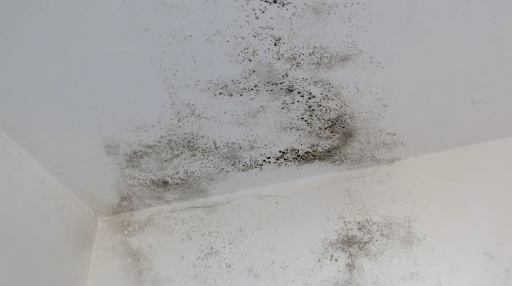
Before discussing deeper causes, it’s important to recognize that moisture often hides where it’s least visible. Condensation from temperature differences, slow plumbing drips, or roof seepage can remain unnoticed for long periods. During that time, mold establishes roots beneath surfaces. By the time discoloration appears, growth has usually spread well beyond the visible area, which is why professional detection methods are essential.
The Role of Building Materials and Airflow
Construction materials are porous, meaning they absorb and hold moisture. When ventilation is limited, these damp materials never fully dry. This creates a continuous growth cycle that supports mold expansion.
Another key factor is air pressure differences between rooms. When doors open or HVAC systems run, spores travel easily through gaps and vents. This movement allows contamination to jump from one space to another without direct contact.
Why Surface Cleaning Isn’t Enough
A brief pause here helps clarify a common misunderstanding about treatment approaches. Removing visible staining does not address growth inside materials or airborne spores. That’s why understanding the difference between mold remediation and mold removal is important when evaluating solutions. Proper processes involve containment, filtration, moisture control, and removal of affected materials, not just surface treatment.
How to Prevent Rapid Mold Spread
Prevention focuses on moisture control and professional intervention at the earliest signs of trouble. Quick identification of leaks, humidity regulation, and structural drying all limit the environment in which mold needs to grow.
Equally important is isolating affected areas during treatment. Professionals use containment barriers and air filtration to prevent cross-contamination while addressing the source. Without these measures, spores released during disturbance can settle in previously unaffected areas.
Long-Term Protection Measures
Short-term fixes don’t stop recurring issues, so long-term strategies matter. Professionals evaluate ventilation performance, insulation gaps, and drainage patterns around the structure. Addressing these underlying contributors reduces the likelihood of future outbreaks and helps maintain stable indoor conditions year-round.
Conclusion
Unchecked moisture, porous materials, and air movement combine to create ideal conditions for widespread contamination. Early professional intervention limits structural impact, improves indoor conditions, and reduces the chance of recurring problems. A thorough approach that targets both the source and affected areas ensures a safer and more stable living environment over time.