Last Updated on 1 month ago by ackleyadam
Advances in mental wellness care continue to highlight the role of non-invasive neurological therapies. These approaches focus on how specific brain regions influence emotional balance, cognitive function, and stress response. Individuals often seek clarity on whether newer treatments align with their clinical needs. Within this context, exomind treatment in Dayton, OH, is commonly evaluated for its structured and professionally supervised application. Understanding appropriate clinical use cases helps ensure expectations remain realistic and grounded in assessment rather than assumption.
Understanding How Exomind Treatment Works
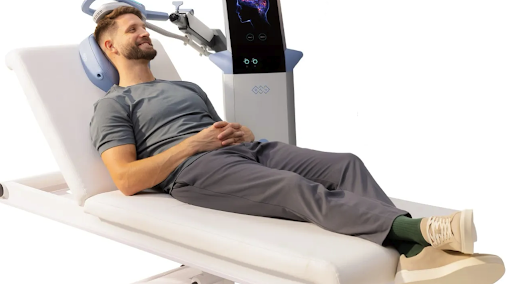
Exomind treatment is designed to stimulate targeted brain regions associated with emotional regulation, motivation, and mental focus. The therapy is guided by a professional evaluation to determine suitability and alignment with neurological patterns. Rather than isolating symptoms, the process supports broader brain network activity related to emotional and cognitive balance. This treatment follows a structured clinical process designed to support safety, consistency, and effectiveness. Understanding what to expect before, during, and after exomind treatment helps clarify how the therapy is integrated into a professionally guided care plan. From initial evaluation through monitored sessions and post treatment observation, each phase is intended to align neurological response with individual needs. This structured progression allows clinicians to assess suitability, track response, and ensure the therapy remains appropriate throughout the course of care.
Individuals Experiencing Chronic Stress and Mental Fatigue
Chronic stress and sustained mental fatigue can interfere with concentration, mood, and daily functioning. When stress becomes prolonged, it may disrupt neurological balance and reduce mental resilience. Individuals experiencing these patterns are often evaluated for therapies that support stress regulation at a neurological level. Exomind treatment focuses on brain areas involved in managing stress responses. By supporting these neural pathways, the therapy may contribute to improved emotional steadiness and mental endurance. This makes it relevant for individuals whose stress-related concerns persist over time.
Managing Mood Imbalances and Emotional Dysregulation
Mood instability can affect personal relationships, work performance, and overall quality of life. Emotional dysregulation often reflects underlying neurological patterns rather than isolated external factors. Individuals experiencing ongoing mood imbalance may be considered for targeted neurological support. Exomind treatment addresses brain regions linked to emotional processing and mood control. Professional oversight ensures treatment parameters are adjusted according to individual response. This structured approach supports gradual emotional stabilization within a clinical framework.
Adults Facing Cognitive Strain and Focus Challenges
Cognitive strain and reduced focus are commonly associated with stress aging or prolonged mental demands. Difficulty maintaining attention or mental clarity may indicate changes in neurological activity. Adults experiencing these challenges are sometimes assessed for therapies that support executive function. Through targeted stimulation, Exomind treatment aims to enhance neural activity related to focus and cognitive engagement. When delivered under professional supervision, it supports cognitive function without excessive neurological strain.
Individuals Navigating Significant Life Transitions
Major life transitions can place increased demands on emotional regulation and cognitive flexibility. Changes related to career, family, or personal circumstances may contribute to mental strain and emotional fatigue. During these periods, neurological balance becomes particularly important. Exomind treatment may support individuals navigating such transitions by reinforcing adaptive brain activity. Clinical oversight ensures that treatment remains aligned with emotional and cognitive needs during periods of change.
Conclusion
Exomind treatment is evaluated for individuals experiencing chronic stress, mood imbalance, cognitive strain, or emotional challenges during life transitions. Understanding clinical use cases helps determine when this therapy may be appropriate within a professional care setting. Structured assessment and neurological oversight remain central to its application. When aligned with individual needs, Exomind treatment serves as a targeted approach to supporting mental and emotional balance.