Last Updated on 1 month ago by ackleyadam
Choosing the correct waste service starts with knowing the difference between property types. Homes and businesses produce waste in very different ways, which affects collection methods and scheduling. Many property owners researching trash pickup in Canton quickly realize that a one-size-fits-all approach rarely works. Volume, container size, and pickup frequency all vary depending on daily activity. Recognizing these distinctions helps ensure waste removal supports smooth routines rather than disrupting them. Professional service structures are designed to match these specific needs efficiently.
Residential Waste Collection Basics
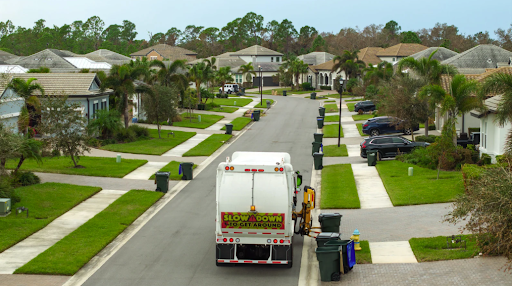
Residential service focuses on consistent, smaller-volume disposal from households and multi-family living spaces. Providers typically operate on set weekly schedules with standardized carts that fit neighborhood layouts.
Because residential waste patterns are more predictable, routes are optimized for efficiency and minimal disruption. Proper sorting and container placement help crews complete collections quickly while keeping streets and shared areas orderly.
Neighborhood Consistency Matters
In residential areas, reliability affects more than convenience. Missed service can create visual clutter, attract pests, and impact nearby properties. Professional pickup teams follow structured routes and timing to maintain neighborhood flow and cleanliness without interfering with daily life.
Commercial Waste Services Are More Complex
Business locations generate larger volumes and a wider range of materials compared to homes. Offices, retail spaces, warehouses, and industrial sites all have distinct disposal requirements. Understanding how to dispose of commercial waste properly ensures materials are handled according to volume, type, and local requirements, helping businesses maintain organized spaces and uninterrupted operations.
Commercial services often include larger containers, compactors, and more frequent pickups. These adjustments prevent overflow, reduce handling risks, and support continuous operations without buildup that could interfere with staff or customers.
Scheduling Around Business Activity
Unlike residential routes, commercial pickups may occur multiple times per week or even daily. Timing is often arranged to avoid peak operating hours, deliveries, or customer traffic. This coordination keeps waste removal from interrupting workflow while ensuring disposal areas remain controlled and accessible.
Equipment and Capacity Differences
The scale of equipment used in commercial service typically exceeds residential setups. Front-load containers, roll-offs, and specialized hauling vehicles handle higher volumes safely and efficiently. Residential service, in contrast, relies on smaller automated trucks and carts suited for neighborhood access.
Matching the right equipment to the property type reduces strain on facilities and minimizes the chance of missed collections or safety concerns. Professional providers assess these needs carefully to keep service aligned with actual waste output.
Compliance and Property Requirements
Commercial properties often follow stricter local regulations related to waste storage, access clearances, and disposal procedures. Residential guidelines are generally simpler but still require adherence to placement and collection rules.
Experienced providers stay informed about these requirements, helping property managers avoid issues that could disrupt routine operations. Their oversight ensures service remains consistent with expectations for each setting.
Conclusion
Understanding how household and business waste services differ helps property owners select arrangements that support order and efficiency. With the right service structure, disposal runs smoothly alongside everyday activity, preventing buildup and maintaining organized surroundings. Proper alignment between property type and service design plays a quiet but important role in keeping environments functional and manageable.