Last Updated on 1 month ago by ackleyadam
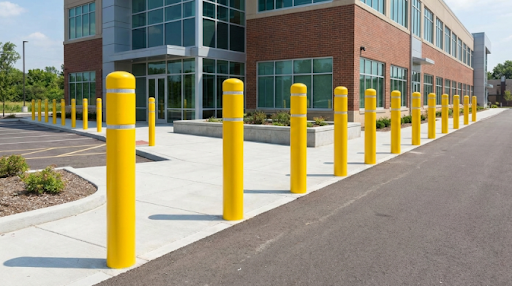
Urban planning relies on a combination of structural elements that balance safety, movement, and visual order within shared spaces. Among these elements, bollards play a critical role in guiding traffic, protecting pedestrians, and defining boundaries without disrupting accessibility. Working with a reliable bollards supplier in Cumming ensures that these structures are thoughtfully designed and professionally installed to meet the demands of modern streetscapes.
From commercial districts to residential developments, bollards contribute to safer environments while supporting organised traffic flow and long-term infrastructure planning. As cities expand and traffic patterns become more complex, planners increasingly rely on durable street-level solutions that offer both function and aesthetic consistency. Bollards provide a flexible approach to traffic control that aligns with broader urban development goals while maintaining compliance with local regulations and design standards.
Supporting Traffic Management and Flow
Bollards are widely used to control vehicle movement in high-activity zones such as downtown corridors, parking areas, and mixed-use developments. Properly placed bollards help regulate speed, prevent unauthorised access, and reduce the risk of vehicle-related incidents. Their presence creates a visual cue that encourages drivers to remain within designated pathways without relying solely on signage. In urban planning, this subtle guidance is essential for maintaining smooth traffic flow while minimising congestion. Professional suppliers understand how bollard placement interacts with road geometry, pedestrian crossings, and emergency access points. This level of planning supports efficient movement without compromising safety or accessibility.
Enhancing Pedestrian Safety
One of the most important functions of bollards is pedestrian protection. In busy urban areas, bollards act as physical barriers that separate walkways from vehicle lanes. This separation reduces the likelihood of accidents and creates a sense of security for pedestrians navigating crowded environments. Urban planners often integrate bollards into sidewalks, plazas, and transit areas to protect foot traffic while maintaining an open and welcoming atmosphere. The effectiveness of this approach depends on quality materials and professional installation, ensuring that bollards remain stable and effective over time.
Defining Urban Spaces and Boundaries
Beyond safety bollards contribute to spatial organization within urban settings. They help define boundaries between public and private areas, guide foot traffic, and reinforce design continuity across developments. In many projects, bollards are selected to complement surrounding architectural features and landscaping elements. This visual integration is especially important when bollards are installed alongside fencing systems or perimeter structures. In such cases, coordination with a fence supplier Cumming professionals becomes essential to maintain consistency in design materials and finish throughout the property.
Durability and Long-Term Performance
Urban infrastructure requires solutions that can withstand constant exposure to weather, vehicle impact, and daily wear. Bollards supplied by experienced professionals are engineered for durability using materials that resist corrosion and structural fatigue. This focus on longevity reduces maintenance concerns and supports sustainable urban planning practices. Planners and property developers benefit from working with suppliers who understand load requirements, impact resistance, and installation standards. These considerations ensure that bollards continue to perform their intended function without frequent replacement or repair.
Aesthetic Considerations in City Design
Modern urban planning places strong emphasis on aesthetics alongside functionality. Bollards are available in a variety of designs, finishes, and sizes, allowing planners to choose options that enhance the visual character of streets and public spaces. Rather than appearing as obstructions, well-designed bollards can add subtle structure and rhythm to urban environments. Professional suppliers play a key role in recommending styles that align with the overall design vision while meeting safety requirements. This balance supports cohesive development and reinforces the identity of commercial and residential districts.
Conclusion
Bollards serve as essential components in urban planning and traffic control by improving safety, guiding movement, and defining spaces within growing communities. Their effectiveness depends on professional design, material quality, and proper placement within the urban landscape. By working with experienced suppliers, urban planners and developers can ensure that bollards support long-term infrastructure goals while enhancing the functionality and appearance of public and private spaces.