Last Updated on 2 weeks ago by admin
Key Takeaways
- Backup generators ensure an uninterrupted power supply during outages.
- They protect critical systems in both residential and commercial settings.
- Proper maintenance and safety measures are essential for effective operation.
Power outages, whether from storms, utility failures, or unforeseen accidents, can bring daily life and essential business operations to a sudden halt. For many families and organizations, having a reliable backup plan is not just convenient; it is crucial. One proven solution that has become increasingly popular is the use of backup generators, such as Honda gas generators, which deliver dependable power when the grid fails.
When power is lost, the safety, security, and comfort of homes, as well as the productivity and financial health of businesses, can be at stake. Backup generators bridge the gap, delivering instant electricity and peace of mind. More than just a short-term fix, they serve as critical infrastructure, keeping essential systems running and minimizing costly downtime and disruptions.
Understanding which type of backup generator suits your needs starts with a review of types and applications. While some models are created for mobility and simplicity, others are designed to power entire properties automatically and seamlessly. Choosing the right solution means evaluating the unique requirements of your home or business and being ready for the next outage.
Importance of Backup Generators
Severe weather, damaged equipment, and overloaded grids are some of the leading causes of blackouts in residential neighborhoods and commercial districts. These disruptions can last from just minutes to several days or longer, causing frozen pipes, spoiled food, interrupted data, and even health risks for those with critical medical devices.
By seamlessly supplying electricity during such outages, backup generators maintain the smooth operation of vital systems until regular service is restored. With a backup generator in place, you don’t need to worry about losing power, environmental controls, or the security of your property.
Types of Backup Generators
The generator market offers two primary solutions, each designed for distinct needs:
- Portable Generators: These units are compact and versatile, often powered by gasoline. With manual setup, they deliver targeted support for key areas, such as appliances, lighting, and small-office equipment. They are ideal for short-term outages and can be transported easily.
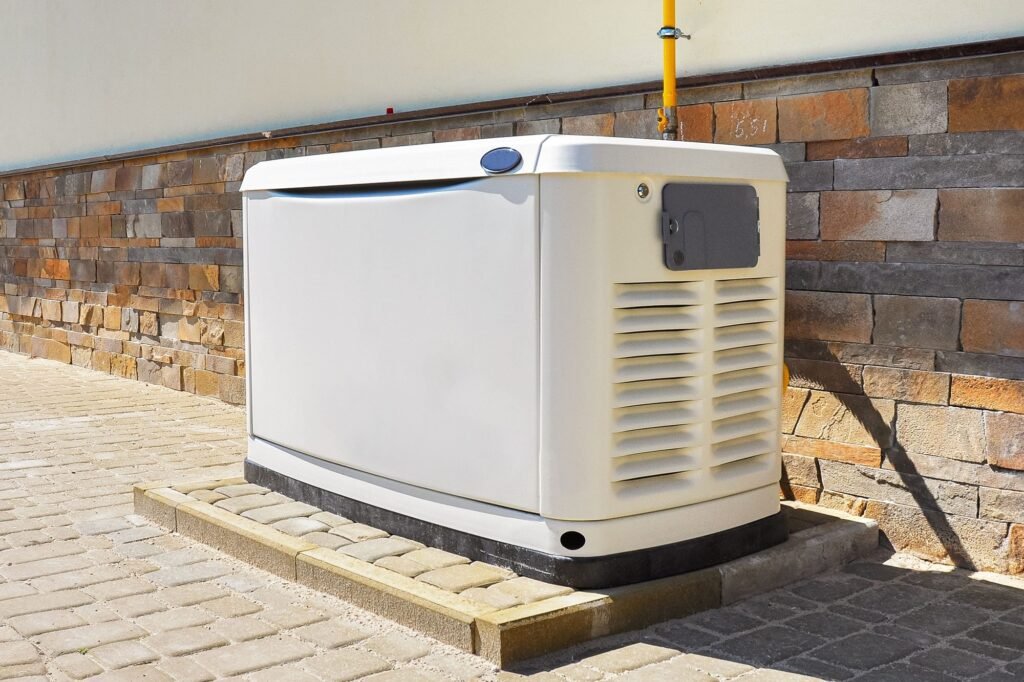
- Standby Generators: Permanently installed, standby generators connect directly to a building’s electrical system. These larger units automatically detect power loss and start up within seconds. With the capacity to power an entire home or business, standby generators are recommended for those who require seamless, long-term support during outages.
Benefits for Homes
Homeowners with backup generators enjoy multiple advantages, especially in regions prone to weather emergencies or unreliable grids:
- Continuous Power Supply: Key systems like heating, air conditioning, refrigeration, and even medical devices stay functional no matter how long the outage lasts.
- Enhanced Security: Backup power keeps alarm systems and surveillance cameras online, providing vital protection during vulnerable periods.
- Increased Property Value: Homes equipped with generators are attractive to future buyers for their ability to remain habitable during power outages, potentially boosting market value and resale appeal. According to The New York Times, many buyers look specifically for backup power when moving to areas with frequent storms or grid instability.
Benefits for Businesses
A power outage for a business can mean more than just inconvenience; lost sales, spoiled goods, and even long-term reputational harm frequently follow. Installing a backup generator counters these threats by:
- Maintaining Operations: Generators keep essential infrastructure like computers, servers, and production lines up and running, ensuring a business does not grind to a halt during a blackout.
- Protecting Inventory: Especially vital for businesses that involve refrigeration or climate-sensitive goods, backup power safeguards valuable stock from spoilage and damage.
- Preserving Customer Trust: Consistency is a hallmark of reputable companies. Providing uninterrupted service during a crisis solidifies customer loyalty, boosts public perception, and may even distinguish a business from its competitors. Business resiliency advice found in Forbes highlights the impact and importance of generator planning for enterprises, large and small.
Installation and Maintenance
Proper setup and diligent upkeep are not optional; both are essential for performance and safety. If installing a standby generator, always consult qualified electricians and certified installers to ensure the system meets strict safety and code requirements. Routine maintenance, including fuel system checks, engine tests, and regular part inspections, helps catch issues before they become problems. Efficient maintenance schedules often involve following guidelines from both the generator manufacturer and an electrician who is familiar with your installation.
- Regularly check fuel supply and battery charge.
- Test-run the system monthly, especially before storm seasons.
- Schedule annual professional inspections to guarantee reliability.
Safety Considerations
Generator safety must never be ignored. Always run generators outdoors, in well-ventilated areas, far from doors and windows. This is essential, as generators emit hazardous carbon monoxide. Overloading a generator can cause electrical malfunctions or a fire, so power calculations must always match the generator’s ratings.
Periodically inspect cables, outlets, and transfer switches for heat damage or wear, and replace parts as needed. If using a portable unit, store fuel safely and only refuel after the engine has cooled.
Choosing the Right Generator
Several factors influence the choice of a generator:
- Power Needs: List the appliances, devices, and systems that must remain operational. Add up their total wattage to determine your minimum generator size.
- Fuel Type: Options include gasoline, diesel, propane, or natural gas. Select a fuel type based on availability, storage safety, and long-term convenience for your area.
- Budget: Consider both upfront purchase and installation costs, as well as ongoing expenses for fuel, parts, and professional servicing.
Consult energy professionals and use sizing calculators from authoritative sources to make a well-informed decision tailored to your needs.
Final Thoughts
Backup generators are essential tools for anyone seeking peace of mind during unpredictable power outages. For homes, they deliver comfort and security, while for businesses, they safeguard productivity and inventory.
By understanding different generator types, prioritizing safe installation and maintenance, and matching equipment to your needs, you ensure that your property stays powered no matter the circumstances. Take time to assess your specific requirements now so you can stay protected and prepared when the lights go out.