Last Updated on 7 months ago by ackleyadam
Selecting the right roofing material plays a critical role in long term performance, protection, and value. Many property owners focus on appearance alone without realizing how material choice affects durability, insulation, and structural support. When planning roofing replacement in Dayton, understanding how different materials perform under local conditions helps ensure a reliable outcome. Professional evaluation connects architectural needs, climate exposure, and structural requirements to determine which materials truly fit a property. These decisions are rarely straightforward and benefit from informed expertise rather than surface-level comparisons.
Roof replacement is not simply about removing old materials and installing new ones. Each option interacts differently with the roof deck ventilation system and overall structure. Material selection should always align with both the building design and environmental demands. Before diving into specific material types, it is important to understand how professionals approach the evaluation process.
Factors Professionals Consider Before Recommending Materials
Roofing specialists begin by assessing structural capacity, slope orientation, and existing support systems. These factors influence which materials can be safely installed without stressing the structure. Weight load is especially important since heavier materials require stronger framing. A short evaluation phase often includes reviewing previous performance issues, such as moisture retention, heat buildup, or premature wear. This information helps narrow material options that will correct past problems rather than repeat them. Climate exposure also plays a major role. Temperature fluctuations, wind patterns, and seasonal precipitation all affect how materials expand, contract, and age over time. Professional insight ensures compatibility with these conditions.
Asphalt-Based Roofing and Its Practical Advantages
Asphalt-based roofing remains a common choice due to its balanced performance and adaptability. It offers consistent protection while accommodating various roof designs and slopes. Professionals often recommend it for properties that require dependable performance without excessive structural modification.
A brief consideration is given to installation precision and ventilation compatibility. Proper layering and airflow management are essential to prevent trapped heat and moisture beneath the surface. This material is often evaluated alongside broader decisions about repair versus full replacement, which is the best one for homes. Many homeowners find clarity through discussions since understanding long-term outcomes helps guide material selection.
Metal Roofing for Longevity and Structural Efficiency
Metal roofing offers durability and resistance to environmental stress. It reflects heat effectively and maintains structural integrity over extended periods. Professionals assess whether the roof framing can support metal systems and whether noise insulation requirements are met. A small but important review focuses on fastening systems and expansion allowances. Metal materials respond differently to temperature changes and require precise installation techniques. When properly selected and installed, metal roofing contributes to energy efficiency and long-term stability without compromising structural balance.
Tile and Slate Options for Architectural Compatibility
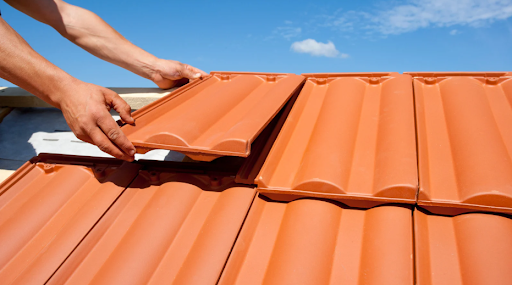
Tile and slate materials are often chosen for their aesthetic and lifespan benefits. These materials provide exceptional durability but require careful structural evaluation due to their weight. Professionals examine load-bearing capacity before recommending these options. A short analysis of underlayment and drainage design follows. These materials depend heavily on proper support layers to prevent water infiltration and stress fractures. Their longevity makes them appealing, but only when matched correctly with the building structure and environmental exposure.
Synthetic Materials and Modern Alternatives
Advancements in roofing technology have introduced synthetic materials that replicate traditional appearances while reducing weight. These options offer flexibility and resistance to moisture and impact. Professionals evaluate how these materials integrate with existing roof systems. Compatibility with flashing ventilation and insulation remains a priority. These alternatives often suit properties seeking a balance between appearance, performance, and structural efficiency.
Conclusion
Understanding roofing material choices requires more than comparing colors or textures. Each option interacts with structural support, climate exposure, and long-term performance expectations. Professional assessment ensures that materials align with the property’s needs rather than creating hidden challenges. Informed material selection supports durability, efficiency, and structural integrity while reducing the risk of future complications.